The Measure of Mastery
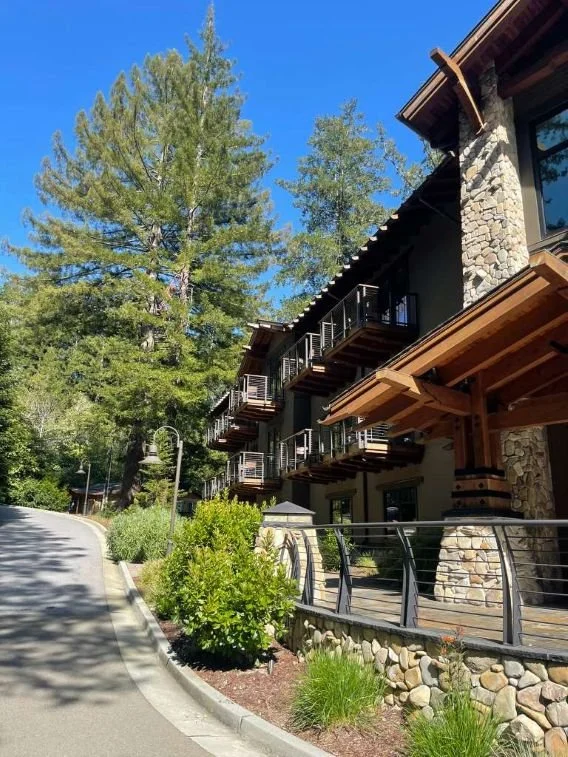
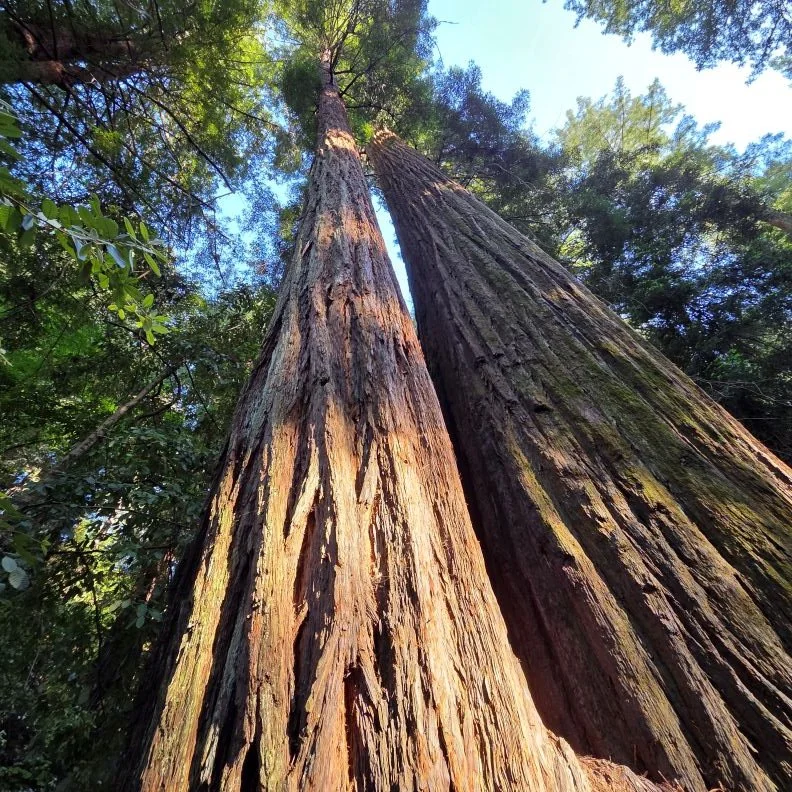
We were in Scotts Valley, California this past weekend facilitating a full-day workshop for the California Institute of Integral Studies. Their Blue Sky Leaders Program was held at 1440 Multiversity, a 75-acre campus of majestic redwoods, ponds filled with turtles and goldfish, and winding pathways surrounded by carefully manicured native shrubs and flowers. The environment was serene and tranquil, inviting you to quiet disruptive thoughts and release any notions of a hectic pace.
It was a perfect setting for the group of fourteen leaders from around the country and the globe participating in this ten-month program to gain clarity on how they can lead with wisdom and presence, hold multiple perspectives across deep differences, and transform themselves while transforming the systems around them.
From the contextual background shared with us, we discerned that these leaders were in liminal spaces of transition. Some were dissolving and emerging themselves, questioning who they are and who they were becoming; others were amid dissolving and emerging vocations, exploring what their work is asking to become; and still others were striving to dissolve and emerge institutional, sectoral, civilizational systems.
One key area we focused on to provide a developmental process for navigating these pivot points, was mastery.
Mastery as Lifelong Learning
We began by asking the leaders: what does it take to become a master? Some of the responses included: humility, courage, curiosity, and vulnerability. One young lady bristled at the use of the word “master.” Her environmental colleagues frown upon it as a framing that creates hierachy and projects an assumption that such persons have nothing additional to learn. After assuring her that a jazz perspective of becoming a master did not stem from this framing, she was curious to know more. Greg explained that the most influential artists have been called masters within jazz for much of its history, and referred to the never-ending mastery quest of the late Sonny Rollins as a prime example.
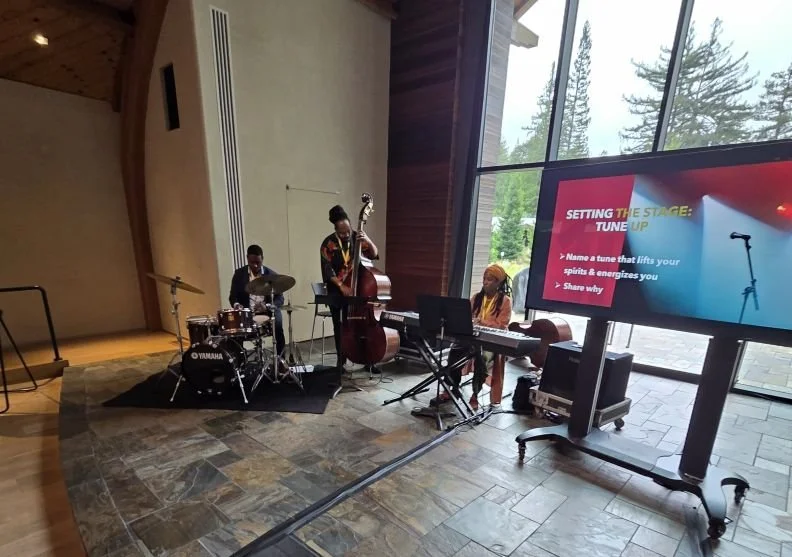
We asked our musicians to share who they would choose as a jazz master. Corcoran Holt, our musical director, selected Ron Carter, the most recorded jazz bassist in history, whose signature sound can fluidly adapt to many other styles. Our drummer, McClenty Hunter, chose Max Roach, an innovator on drums in the creation of bebop who also fought for justice. Janelle Gill, our pianist, embraced Mary Lou Williams, a virtuoso pianist, composer, and pioneering band leader, who nurtured musicians that became icons, such as Dizzy Gillespie and Thelonius Monk. Each musician detailed how their chosen jazz master profoundly impacted their own artistry.
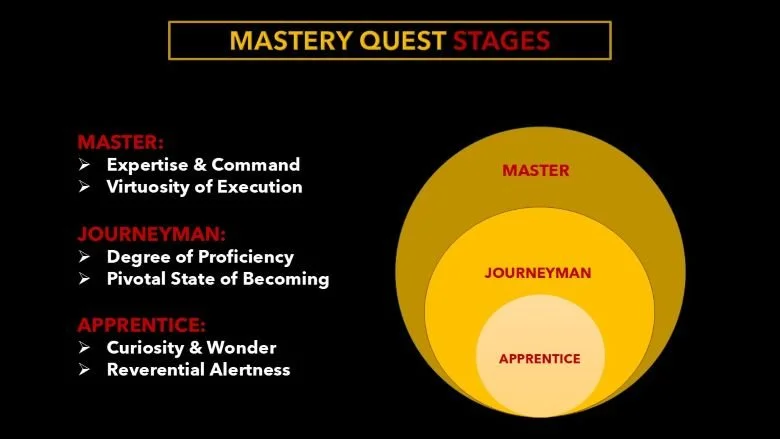
As a developmental process, a Mastery Quest moves from being an apprentice, with the curiosity that fuels a creative impulse to seek out new knowledge and experiences to the intermediate stage of a journeyman, displaying some degree of proficiency and skill, then ultimately to the expertise and command of a master to execute outstanding skills at will with wise spontaneity. Musicians may start emulating influential masters, but as they grow in their quest for mastery, they strive to establish their own voice and sound.
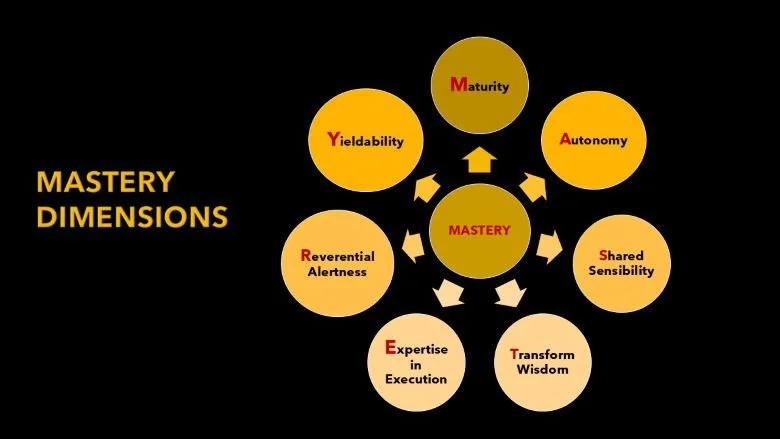
M.A.S.T.E.R.Y dimensions are the attributes that we can strive for on our journey, recognizing those we already possess and at what level, and those which we need to attain. We shared this framework with the leaders:
Maturity: an integration of values, thoughts, feelings, and behavior
Autonomy: exercises freedom within boundaries
Shared Sensibility: mutual attunement and ownership to deepen connections
Transformative Wisdom: the right thought, words, and actions in the moment
Expertise in Execution: demonstrates depth of knowledge and experience w/poise and skillful command
Reverential Alertness: soulful listening to connect with “best self” to co-create
Yieldability: flexibility and capacity to produce positive outcomes for self and others
Our M.A.S.T.E.R.Y self-assessment was a revealing exercise for the leaders, as many identified Autonomy and Transformative Wisdom as the dimensions in most need of work. The worksheet we provided became a living document to inform their mastery journey.
Corcoran reaffirmed a jazz perspective on this stature when he shared an instance of speaking to a recognized jazz master about that high status. The elder demurred and simply said that they are a lifelong learner. That aligns with the mastery characteristic of humility that the leaders identified.
Achieving mastery garners a level of maturity and a presence of being that transcends mere technical proficiency. Jazz masters embody this truth: the deepest mastery is never a destination but a living practice, continuously refined through humility, service, and the willingness to keep listening, soulfully. For the leaders gathered among the redwoods at 1440, the M.A.S.T.E.R.Y. framework isn't a checklist to complete but a compass to carry, pointing not towards perfection, but toward the next honest step in their lifelong quest to lead with wisdom, authenticity, and presence.